Loome
A curated shopping experience for seasonal collections and artist-led products
Role: UX/UI Designer
Platform: Web Application
Timeline: 4 Weeks
Tools: Figma, FigJam
Affinity Diagram
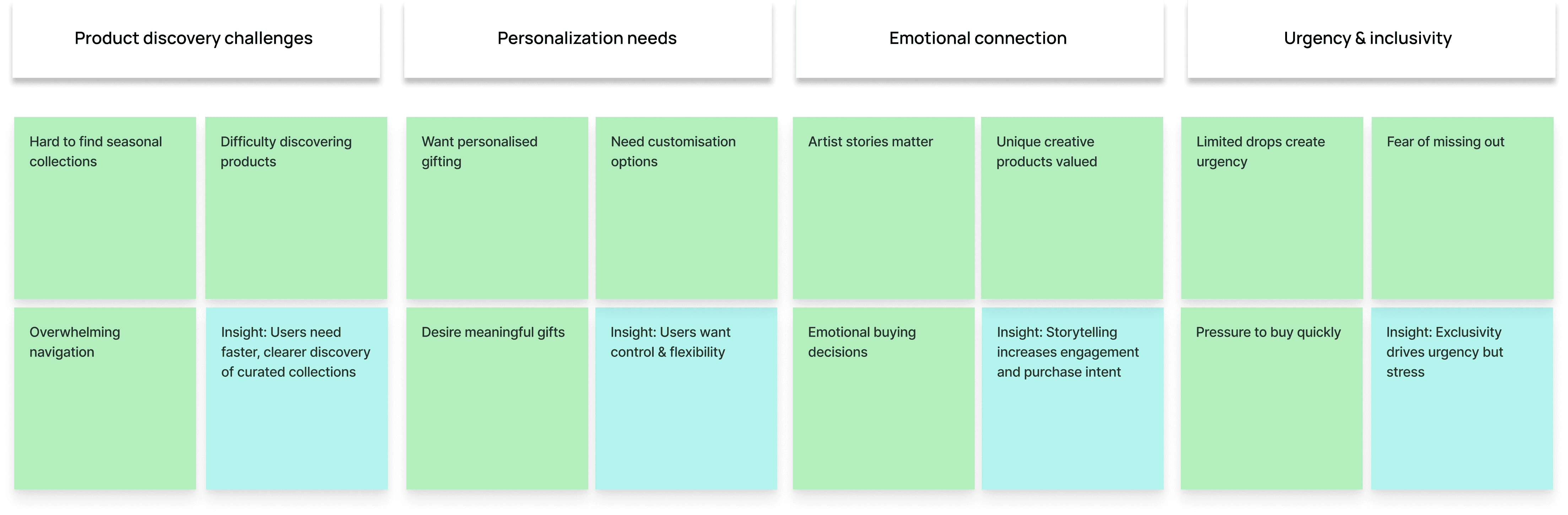
Through an affinity diagram, I organized the research findings into four major themes, capturing the key patterns in user needs and pain points.
Understand the users
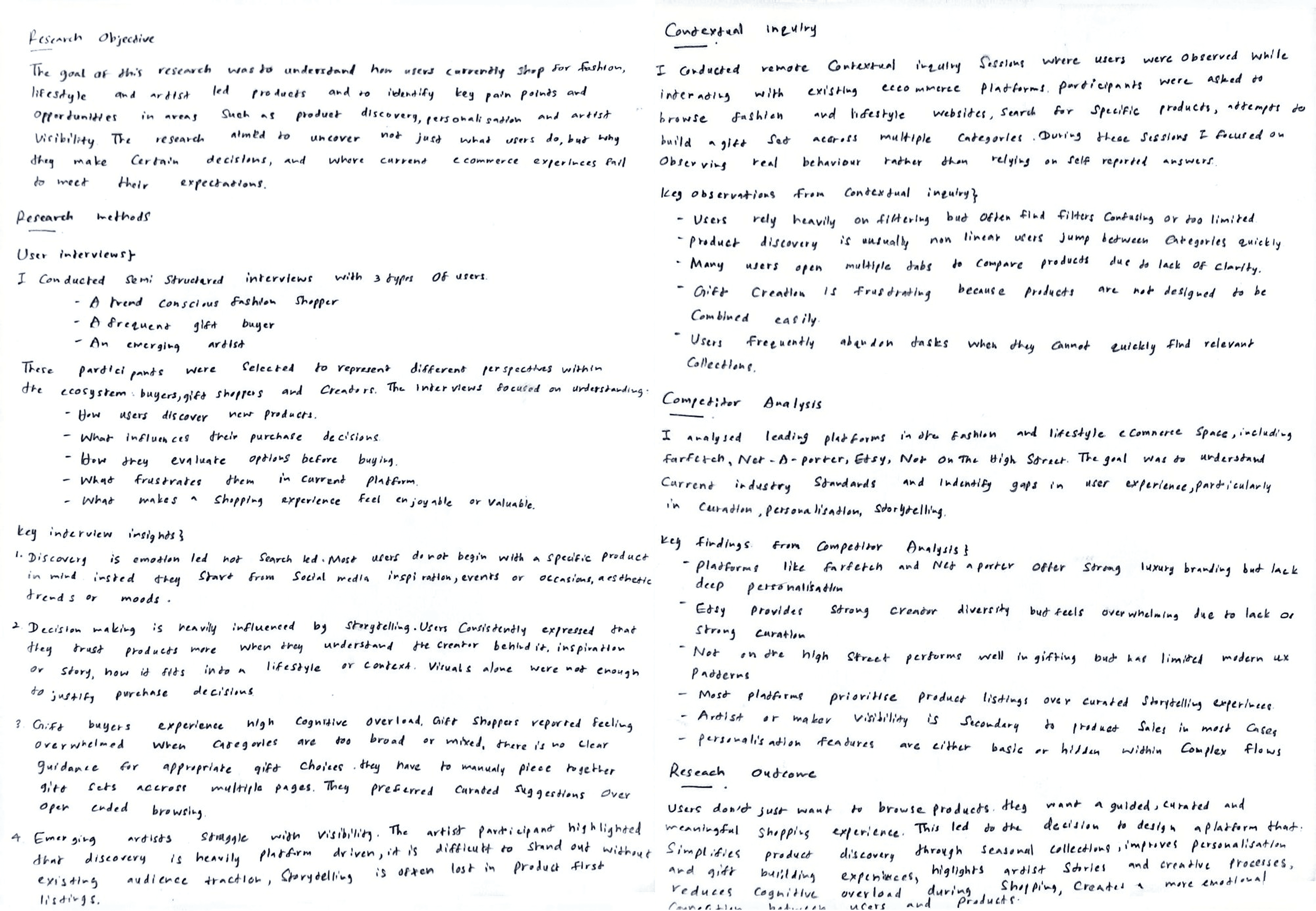
To gain insights into how users currently shop for fashion, lifestyle, and artist-led products, I focused on qualitative primary research.
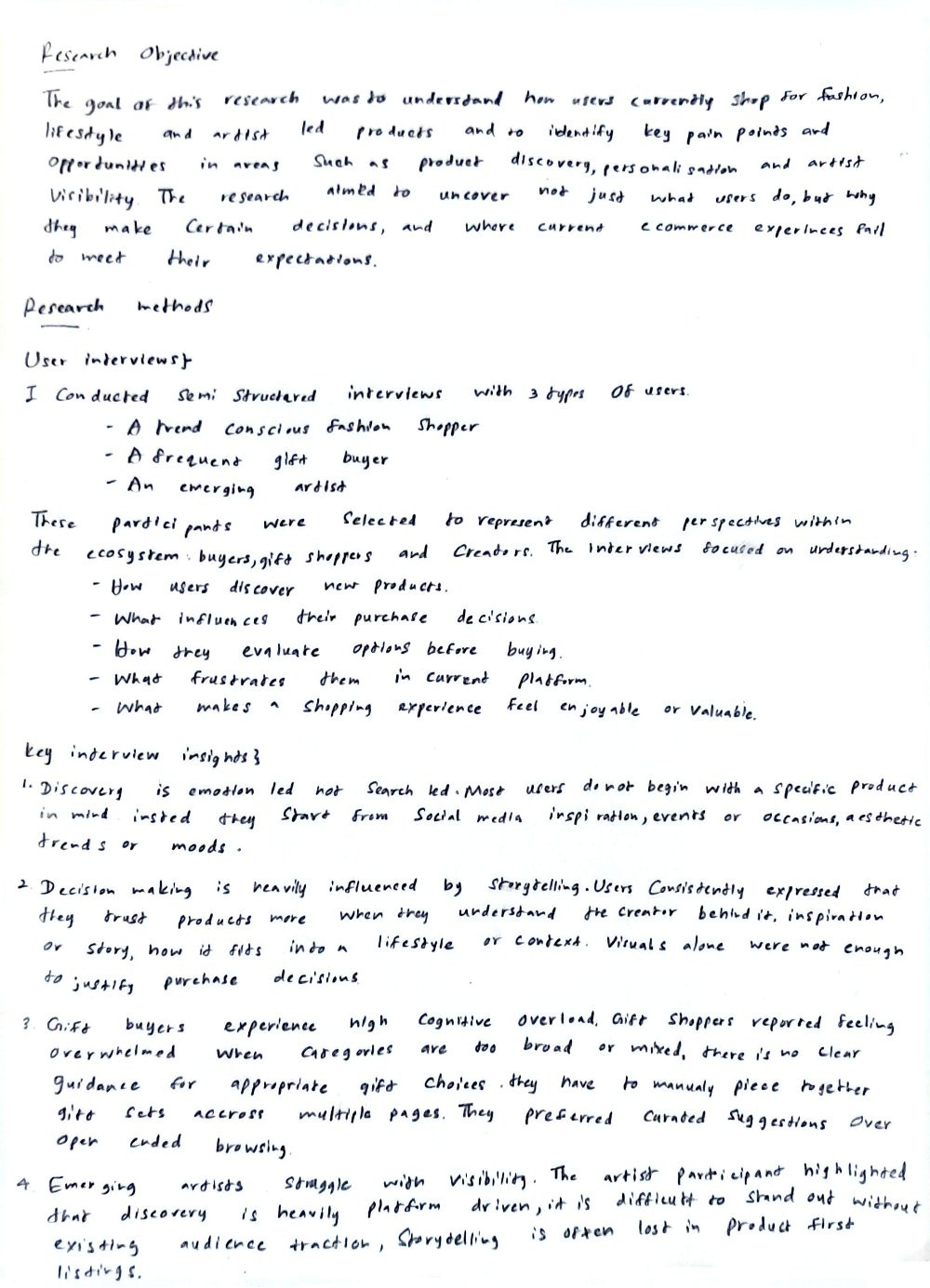
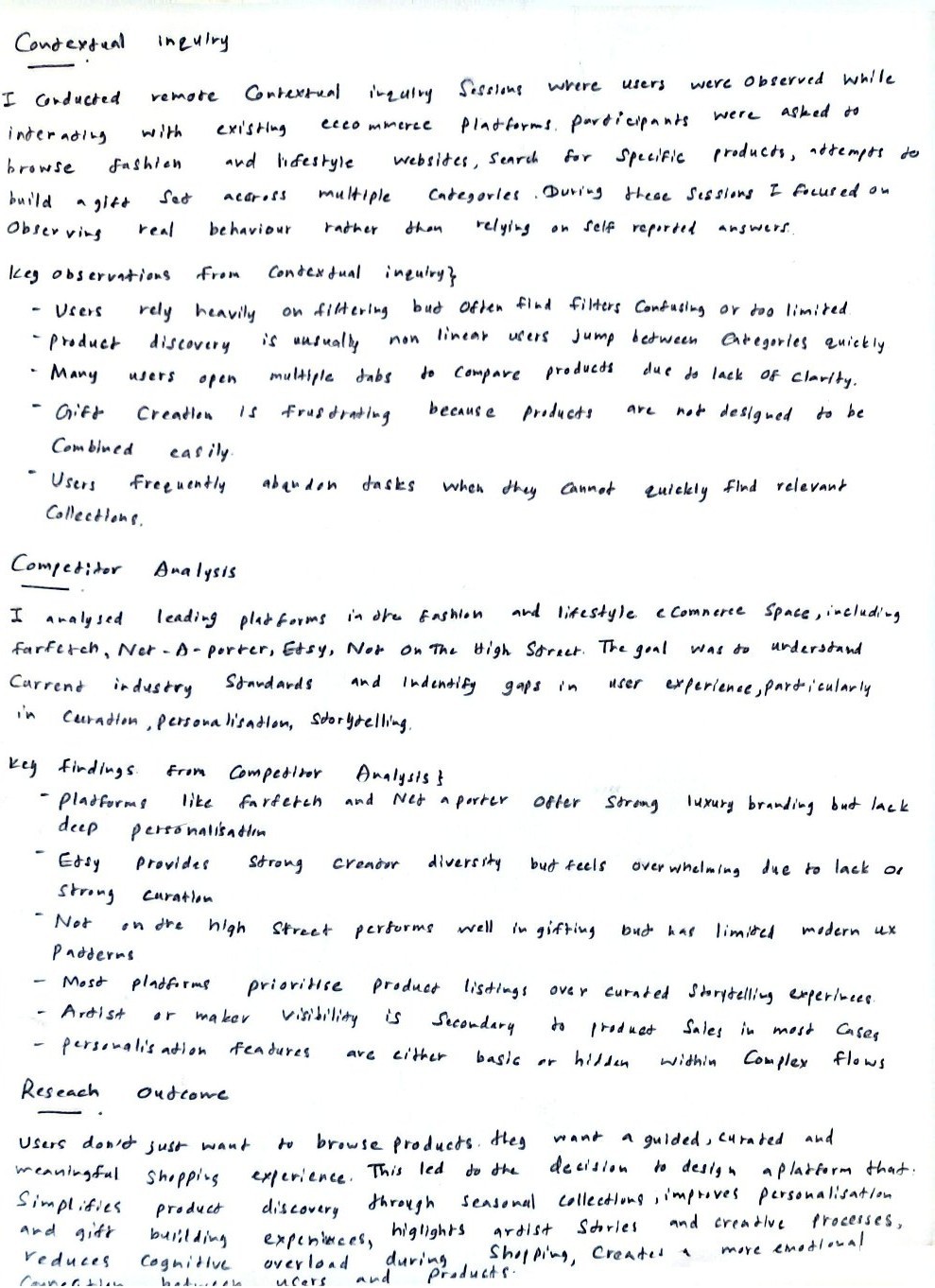
I conducted user interviews with different types of users, including a trend-conscious shopper, a gift buyer, and an emerging artist, to better understand their goals, behaviours, and pain points.
In addition, I carried out remote contextual inquiries, where I observed participants as they browsed e-commerce platforms, searched for products, and attempted to build gift purchases. During these sessions, I discussed their decision-making process, navigation patterns, and the challenges they faced while shopping.
To further support my findings, I conducted a competitor analysis of existing platforms to understand current market standards and identify gaps in areas such as product discovery, personalisation, and artist visibility.
Challenges
• Lack of artist visibility in traditional e-commerce platforms
• Difficulty in discovering curated collections
• Limited options for product personalisation
• Complex workflows for gift purchasing
• Poor integration of fashion and artist products in one platform
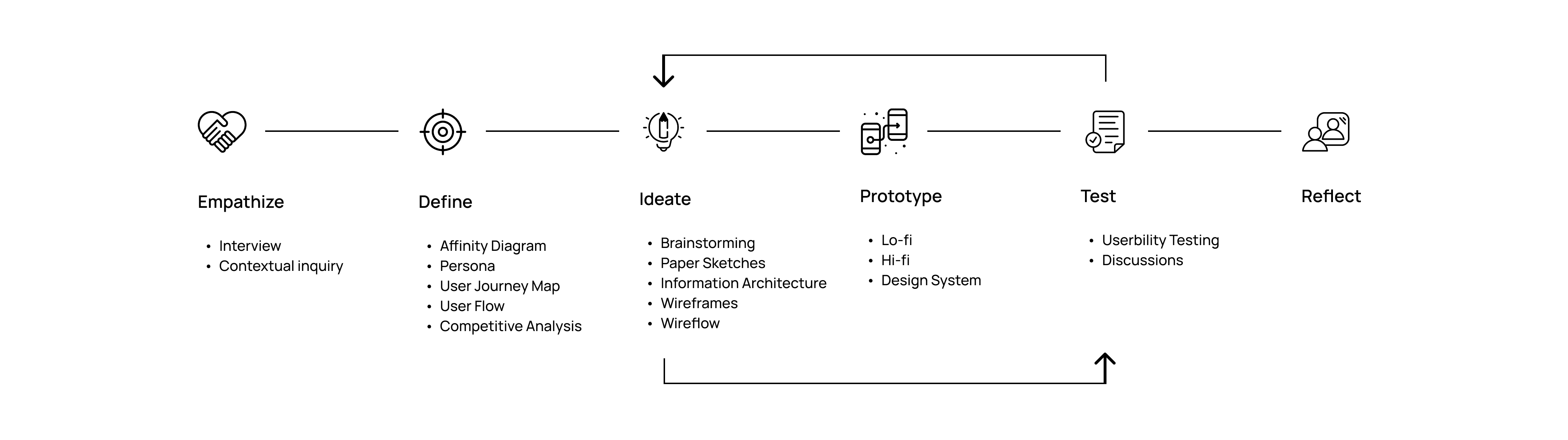
Process
Overview
This project explores the design of a modern e-commerce platform that blends fashion and artist collaborations into one curated shopping experience.
The platform focuses on seasonal collections, limited-edition drops, and artist-driven products, allowing customers to discover unique items while supporting emerging creatives.
In addition, it introduces product personalisation tools and a gift-building experience, enabling users to create customised bundles across fashion, home, and stationery categories.

Empathize
Interview
Contextual inquiry
Define
Affinity Diagram
Persona
User Journey Map
User Flow
Competitive Analysis
Ideate
Brainstorming
Paper Sketches
Information Architecture
Wireframes
Wireflow
Prototype
Lo-fi
Hi-fi
Design System
Test
Userbility Testing
Discussions
Reflect
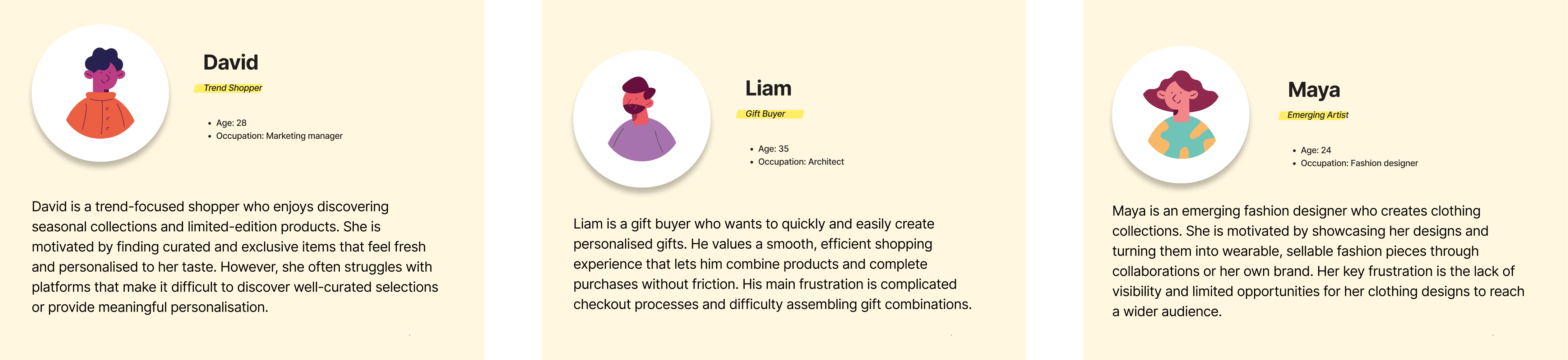
Meet the users
Some of these challenges, particularly those involving integrations across multiple systems or external tools, were identified as longer-term opportunities. For the scope of this project, the focus was on solving the most critical pain points within a single, unified platform, improving product discovery, personalisation, and the overall shopping experience.
Insights
Paper First
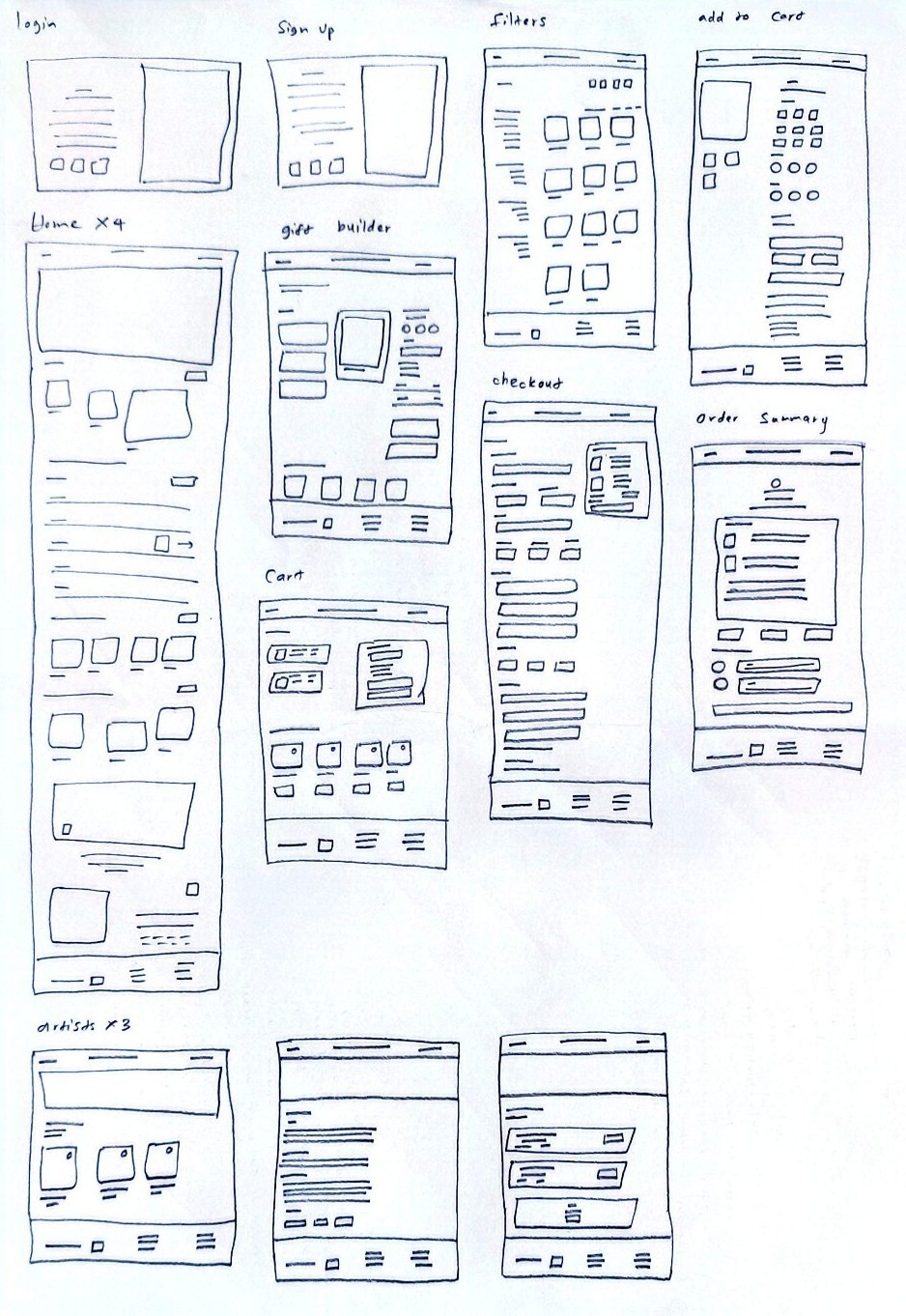
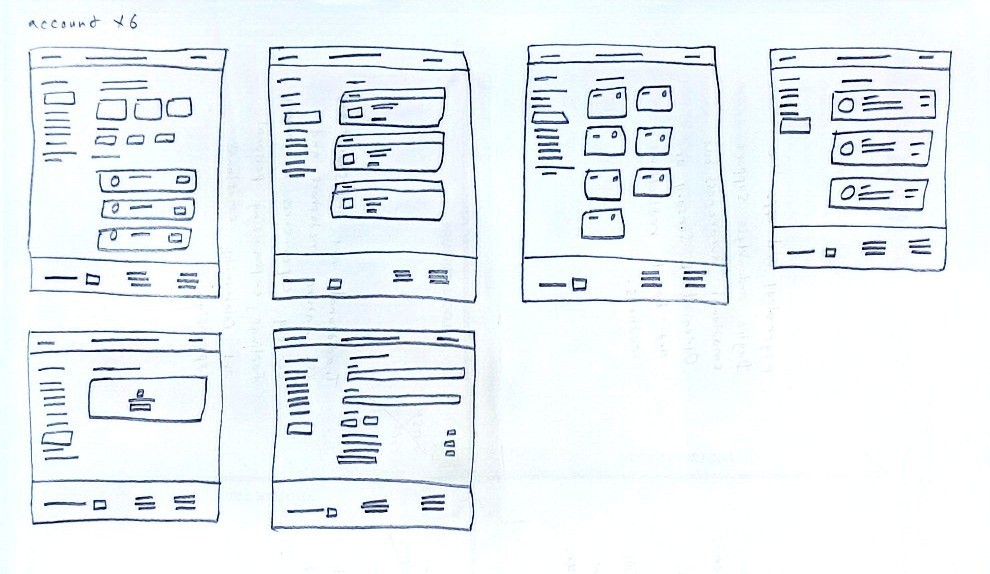
I sketched out some quick ideas on paper to experiment with different layouts. I organised a small workshop with company owners, which allowed us to identify areas of improvements in the original user flows, and make changes to the UX at an early stage.

User Journey Maps
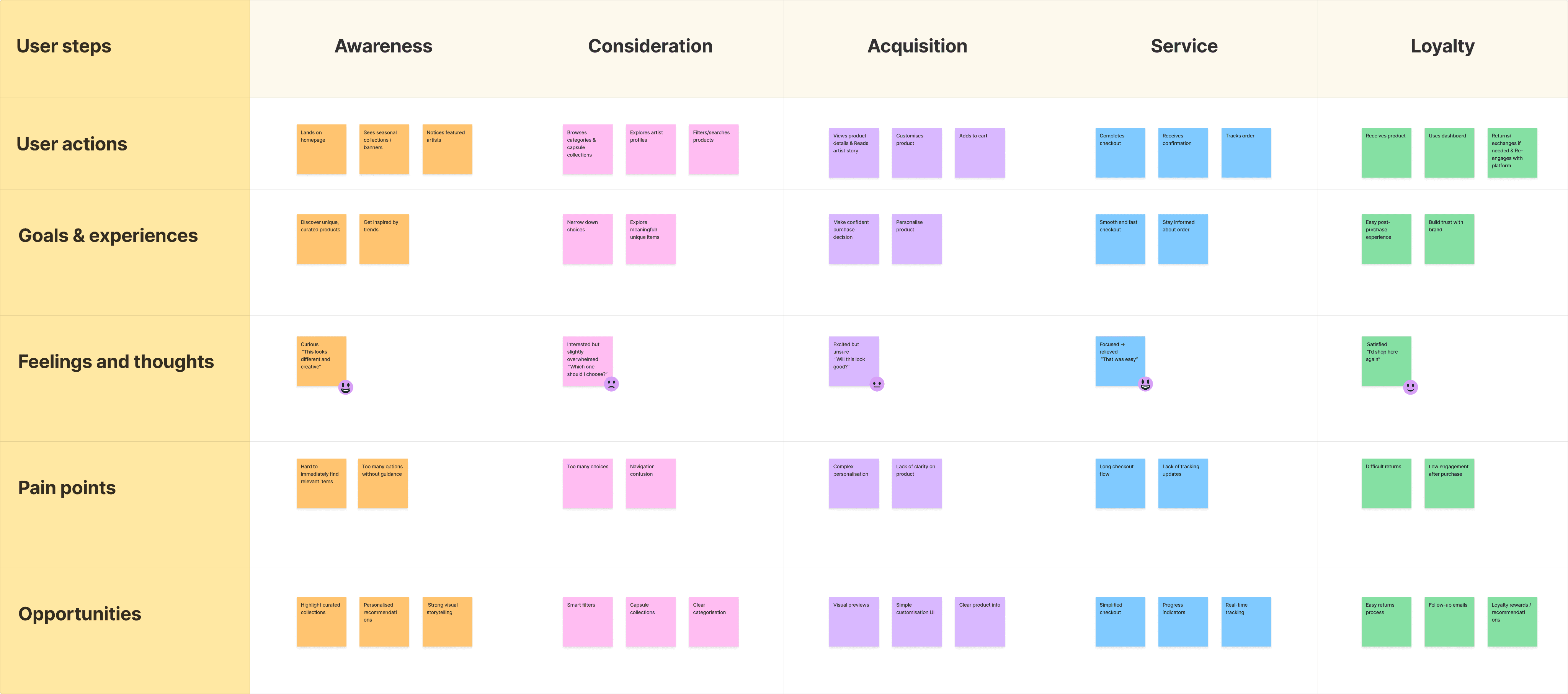
I created a user journey map for each persona based on the interview and contextual inquiry. They provided a holistic view of the user experience and became a basis for our design decisions.
Prepare the Journey
I constructed a few user flows for performing some of the key tasks. This helped me develop a better idea about the overall structure of the design and how users could navigate through the product to achieve their goals.
Map out the Structure
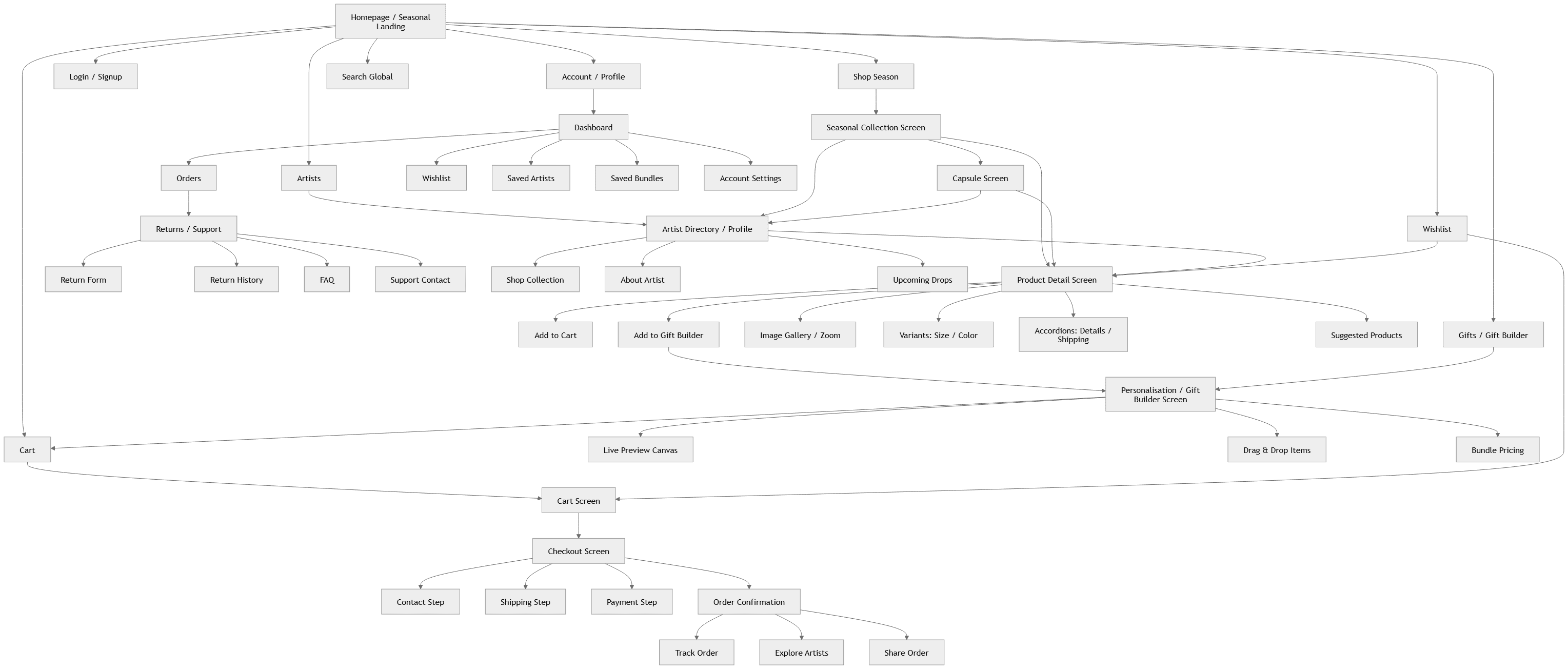
Having thought through the key user flows carefully, I mapped out the information architecture for the MVP, making sure that it tackles all major paint points.
Artist-Led Fashion Marketplace
Loome
Loome
Artist-Led Fashion Marketplace
Role: UX/UI Designer
Platform: Web Application
Timeline: 4 Weeks
Tools: Figma, FigJam
Affinity Diagram
Through an affinity diagram, I organized the research findings into four major themes, capturing the key patterns in user needs and pain points.
Meet the users
Some of these challenges, particularly those involving integrations across multiple systems or external tools, were identified as longer-term opportunities. For the scope of this project, the focus was on solving the most critical pain points within a single, unified platform, improving product discovery, personalisation, and the overall shopping experience.
Understand the users
To gain insights into how users currently shop for fashion, lifestyle, and artist-led products, I focused on qualitative primary research.
I conducted user interviews with different types of users, including a trend-conscious shopper, a gift buyer, and an emerging artist, to better understand their goals, behaviours, and pain points.
In addition, I carried out remote contextual inquiries, where I observed participants as they browsed e-commerce platforms, searched for products, and attempted to build gift purchases. During these sessions, I discussed their decision-making process, navigation patterns, and the challenges they faced while shopping.
To further support my findings, I conducted a competitor analysis of existing platforms to understand current market standards and identify gaps in areas such as product discovery, personalisation, and artist visibility.
Challenges
• Lack of artist visibility in traditional e-commerce platforms
• Difficulty in discovering curated collections
• Limited options for product personalisation
• Complex workflows for gift purchasing
• Poor integration of fashion and artist products in one platform
Process
Insights
Overview
This project explores the design of a modern e-commerce platform that blends fashion and artist collaborations into one curated shopping experience.
The platform focuses on seasonal collections, limited-edition drops, and artist-driven products, allowing customers to discover unique items while supporting emerging creatives.
In addition, it introduces product personalisation tools and a gift-building experience, enabling users to create customised bundles across fashion, home, and stationery categories.
Paper First
I sketched out some quick ideas on paper to experiment with different layouts. I organised a small workshop with company owners, which allowed us to identify areas of improvements in the original user flows, and make changes to the UX at an early stage.
User Journey Maps
I created a user journey map for each persona based on the interview and contextual inquiry. They provided a holistic view of the user experience and became a basis for our design decisions.
Prepare the Journey
I constructed a few user flows for performing some of the key tasks. This helped me develop a better idea about the overall structure of the design and how users could navigate through the product to achieve their goals.
Map out the Structure
Having thought through the key user flows carefully, I mapped out the information architecture for the MVP, making sure that it tackles all major paint points.

Role: UX/UI Designer
Platform: Web Application
Timeline: 4 Weeks
Tools: Figma, FigJam
Affinity Diagram
Through an affinity diagram, I organized the research findings into four major themes, capturing the key patterns in user needs and pain points.
Meet the users
Some of these challenges, particularly those involving integrations across multiple systems or external tools, were identified as longer-term opportunities. For the scope of this project, the focus was on solving the most critical pain points within a single, unified platform, improving product discovery, personalisation, and the overall shopping experience.
Understand the users
To gain insights into how users currently shop for fashion, lifestyle, and artist-led products, I focused on qualitative primary research.
I conducted user interviews with different types of users, including a trend-conscious shopper, a gift buyer, and an emerging artist, to better understand their goals, behaviours, and pain points.
In addition, I carried out remote contextual inquiries, where I observed participants as they browsed e-commerce platforms, searched for products, and attempted to build gift purchases. During these sessions, I discussed their decision-making process, navigation patterns, and the challenges they faced while shopping.
To further support my findings, I conducted a competitor analysis of existing platforms to understand current market standards and identify gaps in areas such as product discovery, personalisation, and artist visibility.
Challenges
• Lack of artist visibility in traditional e-commerce platforms
• Difficulty in discovering curated collections
• Limited options for product personalisation
• Complex workflows for gift purchasing
• Poor integration of fashion and artist products in one platform
Process
Insights
Overview
This project explores the design of a modern e-commerce platform that blends fashion and artist collaborations into one curated shopping experience.
The platform focuses on seasonal collections, limited-edition drops, and artist-driven products, allowing customers to discover unique items while supporting emerging creatives.
In addition, it introduces product personalisation tools and a gift-building experience, enabling users to create customised bundles across fashion, home, and stationery categories.
Paper First
I sketched out some quick ideas on paper to experiment with different layouts. I organised a small workshop with company owners, which allowed us to identify areas of improvements in the original user flows, and make changes to the UX at an early stage.
User Journey Maps
I created a user journey map for each persona based on the interview and contextual inquiry. They provided a holistic view of the user experience and became a basis for our design decisions.
Prepare the Journey
I constructed a few user flows for performing some of the key tasks. This helped me develop a better idea about the overall structure of the design and how users could navigate through the product to achieve their goals.
Map out the Structure
Having thought through the key user flows carefully, I mapped out the information architecture for the MVP, making sure that it tackles all major paint points.
Explore Full Design ->
Explore Full Design ->